Call Us: +6012-590 0783
Email Us: [email protected]
Follow Us: 


Call Us: +6012-590 0783
Email Us: [email protected]
Follow Us:


The construction industry in Malaysia is evolving quickly, driven by new technologies, changing regulations, and a growing demand for sustainable and cost-efficient solutions. As we move into 2026, contractors, developers, and material buyers are paying close attention to the latest construction material trends to keep their projects competitive and compliant. This article highlights the top trends shaping the building materials landscape in Malaysia, offering insights and practical guidance for industry professionals and decision-makers. For readers comparing options, Building Materials Malaysia is the main topic this guide explains.
Sustainability remains a top priority for construction professionals in Malaysia. Developers are increasingly adopting eco-friendly building materials, such as recycled concrete blocks, low-carbon cement, and responsibly sourced timber. These materials help reduce environmental impact, meet green building certification requirements, and appeal to environmentally conscious clients. In addition, there is a rising interest in lightweight blocks and prefabricated systems, which minimize site waste and speed up project timelines. Learn more about lightweight blocks and their advantages.
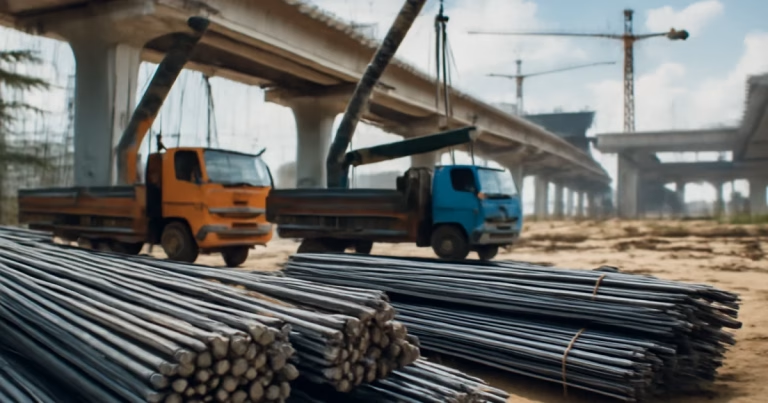
Steel continues to be a backbone of modern construction in Malaysia, with demand growing for high-strength, corrosion-resistant, and versatile steel products. In 2026, trends include the increased use of I-beams, hollow sections, and expanded metals for structural strength and flexibility. Mild steel plates and angle bars are widely specified for both commercial and residential developments, thanks to their durability and ease of fabrication. Contractors are also sourcing steel from established suppliers to ensure consistent quality and timely delivery, which is crucial for large-scale projects and infrastructure works.
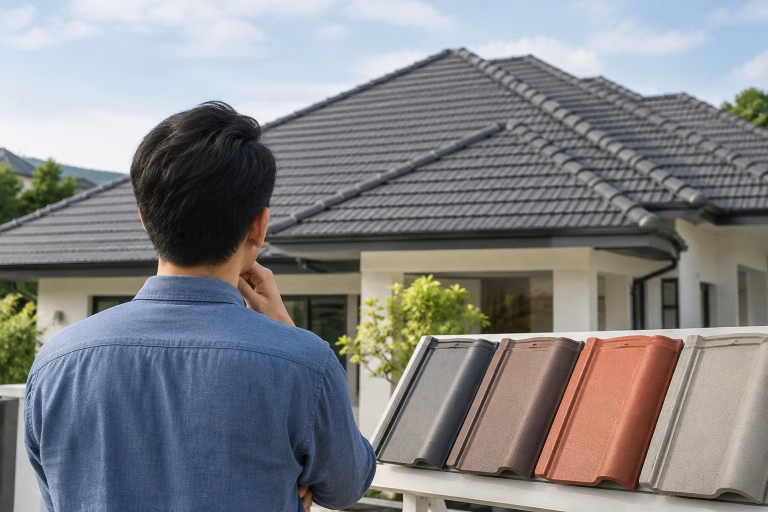
Roofing systems in Malaysia are becoming more sophisticated, with a shift toward materials that offer better thermal performance, weather resistance, and ease of installation. C-channel trusses and metal battens are commonly chosen for their structural reliability, while advanced roof tiles and concrete roofing solutions deliver greater insulation and aesthetic options. With Malaysia’s tropical climate, contractors and homeowners are prioritizing materials that can withstand heavy rainfall, high humidity, and intense sunlight. For those looking to upgrade their roofing systems, explore modern roof tile solutions that align with the latest trends.
Modular construction is gaining momentum in Malaysia as developers seek ways to shorten project timelines and manage costs. Prefabricated concrete posts, fence panels, and modular wall systems are increasingly common on both residential and commercial sites. These materials offer consistent quality, reduced labor requirements, and improved site safety. Modular components are especially popular for infrastructure works, boundary walls, and rapid build projects, reflecting a broader trend toward off-site manufacturing and just-in-time delivery.
Technological advancement is reshaping the expectations for construction materials in Malaysia. High-performance cement products, such as those with enhanced setting times or improved durability, are being specified for critical structural works. There is also a growing adoption of smart materials, including moisture-resistant gypsum boards, fire-rated panels, and insulation products that boost energy efficiency. Additionally, the use of stainless steel water tanks and advanced piping systems supports long-term building performance and meets modern regulatory standards. For example, stainless steel water tanks are increasingly chosen for their hygiene and durability.
With rising material costs and fluctuating supply chains, many Malaysian contractors and developers are turning to one-stop suppliers for all construction material needs. This simplifies procurement, ensures better coordination, and offers competitive pricing for bulk orders. Reliable suppliers provide a comprehensive range, from sand, aggregates, and bricks to timber, cement, and steel, supporting every stage of a construction project. For businesses seeking to optimize their sourcing strategies, working with an experienced supplier like Ezi Maju Sdn. Bhd. can help streamline project management and reduce delays.
The construction materials sector in Malaysia is set for continued innovation in 2026, with sustainability, prefabrication, and advanced technologies leading the way. By staying informed about these trends and partnering with trusted material suppliers, contractors and developers can deliver projects that meet modern standards for quality, efficiency, and environmental responsibility. For further guidance on choosing the right materials or supplier, browse our resources on selecting the ideal construction materials supplier or advancing construction material standards in Malaysia.
Stay ahead of industry trends and ensure your project’s success with Ezi Maju Sdn. Bhd.—your trusted partner for building and construction materials in Malaysia. Whether you need sustainable solutions, advanced steel, roofing, or prefabricated products, we offer a comprehensive range to meet every project requirement. Experience competitive pricing, expert support, and convenient procurement for all your construction needs.
Get a Quote for Building Materials
Selecting the right construction materials is about balancing multiple factors, including budget, structural requirements, climate resilience, and regulatory compliance. For example, while advanced steel solutions offer unmatched strength and longevity, they may not always be necessary for smaller residential builds where cost-effective alternatives like reinforced concrete or engineered timber could suffice. Conversely, for high-rise or infrastructure projects, the initial investment in high-grade steel or composite materials is often justified by long-term durability and reduced maintenance costs.
Additionally, the choice between traditional and modern materials often comes down to project timelines and skill availability. Prefabricated modular components can help overcome skilled labor shortages and accelerate schedules, but may require upfront planning and coordination with suppliers. In contrast, conventional brick-and-mortar methods allow for greater on-site flexibility but can lead to more waste and longer completion times. Decision-makers should assess the total lifecycle cost, including installation, maintenance, and potential retrofitting, to ensure the selected materials align with both immediate and future needs.
For organizations aiming to support green building standards, implementing a sustainable procurement checklist is essential. Begin by verifying the source of raw materials—look for certifications such as PEFC or FSC for timber and Environmental Product Declarations (EPDs) for cement and steel products. Next, prioritize materials with recycled or low-carbon content and specify suppliers who are transparent about their supply chain and environmental practices. Engaging suppliers early in the design process can also identify innovative products or value engineering opportunities that reduce the project’s carbon footprint.
Another practical approach is to conduct a lifecycle analysis (LCA) of materials, considering not just the embodied energy but also end-of-life disposal or recyclability. For instance, using modular wall systems that can be easily dismantled and reused supports circular construction principles, while specifying local materials minimizes transportation emissions. Collaborating with architects and engineers to optimize material usage—such as right-sizing steel beams or standardizing block sizes—also contributes to sustainability and cost control.
Despite best intentions, several pitfalls can undermine material sourcing. One frequent mistake is focusing solely on upfront costs without accounting for durability, maintenance, or performance over time. For example, opting for the cheapest roofing tiles may result in frequent replacements due to Malaysia’s harsh tropical weather, leading to higher cumulative expenses. Another common error is neglecting compatibility between materials; mismatched products (such as combining incompatible metals) can accelerate corrosion or compromise structural integrity.
Inadequate supplier vetting poses another risk. Without thorough background checks or quality assurance protocols, contractors may receive substandard or counterfeit materials, resulting in costly delays or safety issues. To avoid these pitfalls, always request product documentation, conduct site visits to supplier facilities if possible, and seek references from past projects. Establishing long-term relationships with reputable suppliers helps ensure reliability and consistent material quality throughout the construction process.
Key sustainable materials include recycled concrete blocks, low-carbon cement, responsibly sourced timber, and lightweight modular systems. These options help reduce environmental impact and support green building initiatives.
Advanced steel products like I-beams, hollow sections, and mild steel plates offer superior strength, flexibility, and corrosion resistance, making them ideal for modern structural frameworks and demanding project requirements.
Prefabrication allows for faster build times, consistent material quality, and improved site safety. Modular components are particularly valuable for infrastructure, boundary walls, and projects with tight schedules.
Contractors should prioritize roofing materials that provide thermal insulation, withstand heavy rain and humidity, and are easy to install. Modern trusses, metal battens, and advanced roof tiles are trending for these reasons.
Partnering with a one-stop supplier streamlines procurement, reduces coordination issues, and offers access to a wide range of construction materials at competitive prices, ultimately saving time and cost for contractors.
Stay ahead of industry trends and ensure your project’s success with Ezi Maju Sdn. Bhd.—your trusted partner for building and construction materials in Malaysia. Whether you need sustainable solutions, advanced steel, roofing, or prefabricated products, we offer a comprehensive range to meet every project requirement. Experience competitive pricing, expert support, and convenient procurement for all your construction needs.
Contact us today for high-quality materials and reliable solutions tailored to your construction needs.