Call Us: +6012-590 0783
Email Us: [email protected]
Follow Us: 


Call Us: +6012-590 0783
Email Us: [email protected]
Follow Us:


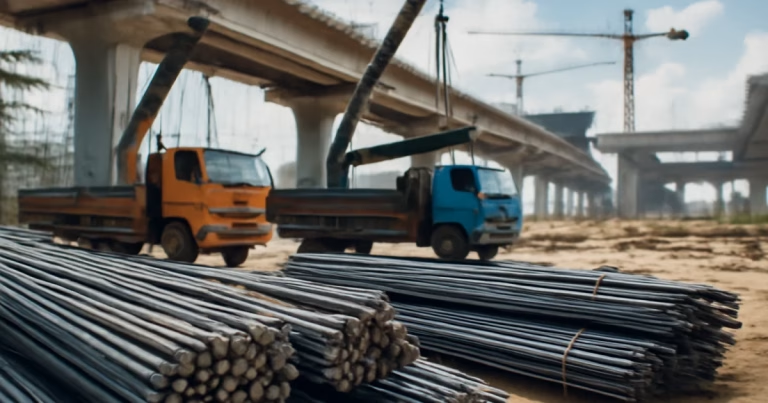
For roofing contractors and builders in Selangor, choosing the right structural system is crucial for long-lasting, cost-effective results. The Ctruss system, popular for its strength, lightweight design, and efficient installation, is increasingly used in residential and commercial building projects. This comprehensive guide will walk you through every key step of installing Ctruss systems in Selangor, covering planning, materials, on-site setup, assembly, and finishing tips for a professional result. For readers comparing options, Ctruss Selangor is the main topic this guide explains.
Ctruss systems are engineered roof trusses, typically made from high-strength steel or metal, designed to distribute roof loads efficiently. These systems are favored in Selangor construction projects for their durability, ease of installation, and compatibility with various roofing materials, including clay tiles and metal sheets. Before starting your installation, it’s important to understand the Ctruss components, such as C-channel trusses, battens, connectors, and bracing elements.
Proper site assessment lays the foundation for a successful Ctruss installation. Begin by checking the building’s structural integrity and confirming that the supporting walls or beams can accommodate the truss loads. Clear the work area of debris and ensure you have safe access to the roof perimeter.
For material sourcing, working with a reliable building materials supplier in Malaysia ensures you receive quality and compatible products.
Before assembly, mark the exact placement of each truss along the wall plates or beams. Use a chalk line to ensure uniform spacing. This step is critical for load distribution and roof stability.
Refer to your project’s engineering drawings or consult with a professional if unsure about spacing or alignment. This is especially important for projects involving large spans, concrete roofs, or complex roof shapes.
With the layout marked, you can begin assembling and positioning the Ctruss frames. Most systems use pre-fabricated steel or metal components that fit together with bolts or self-drilling screws.
Safety is paramount—always use secure scaffolding and proper lifting techniques. For complex projects, consider working with experienced steel suppliers or truss installers in Selangor for technical support.
Once the Ctruss system is rigid and secure, proceed with installing battens, roofing sheets, or tiles. The choice of roofing material—whether clay tiles, metal sheets, or concrete panels—affects installation details but follows a similar sequence.
When choosing materials, consider local climate, building design, and available roof tile options. Proper installation prevents leaks and prolongs the roof’s lifespan.
Before handing over the project, conduct comprehensive inspections to ensure structural safety and finish quality.
For ongoing maintenance, periodic inspections and prompt repairs help extend the life of your Ctruss roof system. If your project involves integrated components such as stainless steel water tanks or other building materials, coordinate with suppliers to ensure seamless integration.
Ctruss systems offer a reliable solution for various roof types, from residential homes to commercial buildings. By following a structured process and working with trusted suppliers, contractors in Selangor can achieve safe, efficient, and durable roofing installations.
Despite the well-defined process, contractors and builders may encounter several challenges during Ctruss system installation. Understanding these hurdles in advance can help you prepare effective solutions and avoid costly delays.
Installing a Ctruss system in Selangor is a streamlined process when you follow best practices for planning, assembly, and safety. Whether you’re a roofing contractor, builder, or project manager, the Ctruss approach saves time, reduces structural weight, and adapts to diverse roofing designs. For construction projects requiring additional support or materials, partnering with a reputable supplier like Ezi Maju Sdn. Bhd. ensures consistent product quality and professional guidance. For more details on sourcing C Channel Ctruss, plywood wood, or other building essentials, explore local options to streamline your next project.
Ctruss systems offer high strength-to-weight ratios, faster installation times, and compatibility with various roofing materials. Their steel or metal construction resists corrosion and supports durable, long-lasting roofs—especially important in Selangor’s climate.
Ctruss systems are compatible with a wide range of roofing materials, including clay tiles, metal sheets, concrete roof panels, and lightweight blocks. Always check with your supplier to ensure compatibility with your chosen materials.
Follow engineering plans, use quality certified materials, and install all components according to manufacturer and local building codes. Always use proper PPE and scaffolding, and inspect all connections for strength and stability before finishing.
While experienced builders or roofing contractors can install Ctruss systems, complex or large-scale projects in Selangor should involve professionals familiar with structural steel assembly and local regulations to ensure safety and compliance.
You can obtain Ctruss, steel, cement, clay tiles, and other roofing components from reputable construction material suppliers such as Ezi Maju Sdn. Bhd., which offers a wide range of products for residential and commercial projects in Selangor.
Ensure your Ctruss installation project in Selangor is efficient and reliable by partnering with Ezi Maju Sdn. Bhd. We offer a comprehensive selection of C-channel trusses, steel, cement, clay tiles, and essential building materials—all under one roof. Benefit from our industry expertise, contractor-focused support, and quality-assured products for every stage of your construction. Let us help you complete your roofing projects on time and within budget.
Contact us today for high-quality materials and reliable solutions tailored to your construction needs.